
When you’re choosing between tablets and capsules for your supplement line, it helps to break things down into real, everyday details. Both options are used often in the supplement world and each has its own strengths. But depending on your formula and what kind of experience you want to offer, one type might end up working better than the other. As a capsule supplement manufacturer, we often help partners weigh the differences by walking through the timing, usage, packaging, and production details. Starting with a clear idea of how each format works can save time during busy seasons, especially when schedules pick up near the holidays.
How Tablets and Capsules Are Made
To compare tablets and capsules, it’s helpful to look at what goes into making them. While both go through multi-step processes, they’re built pretty differently.
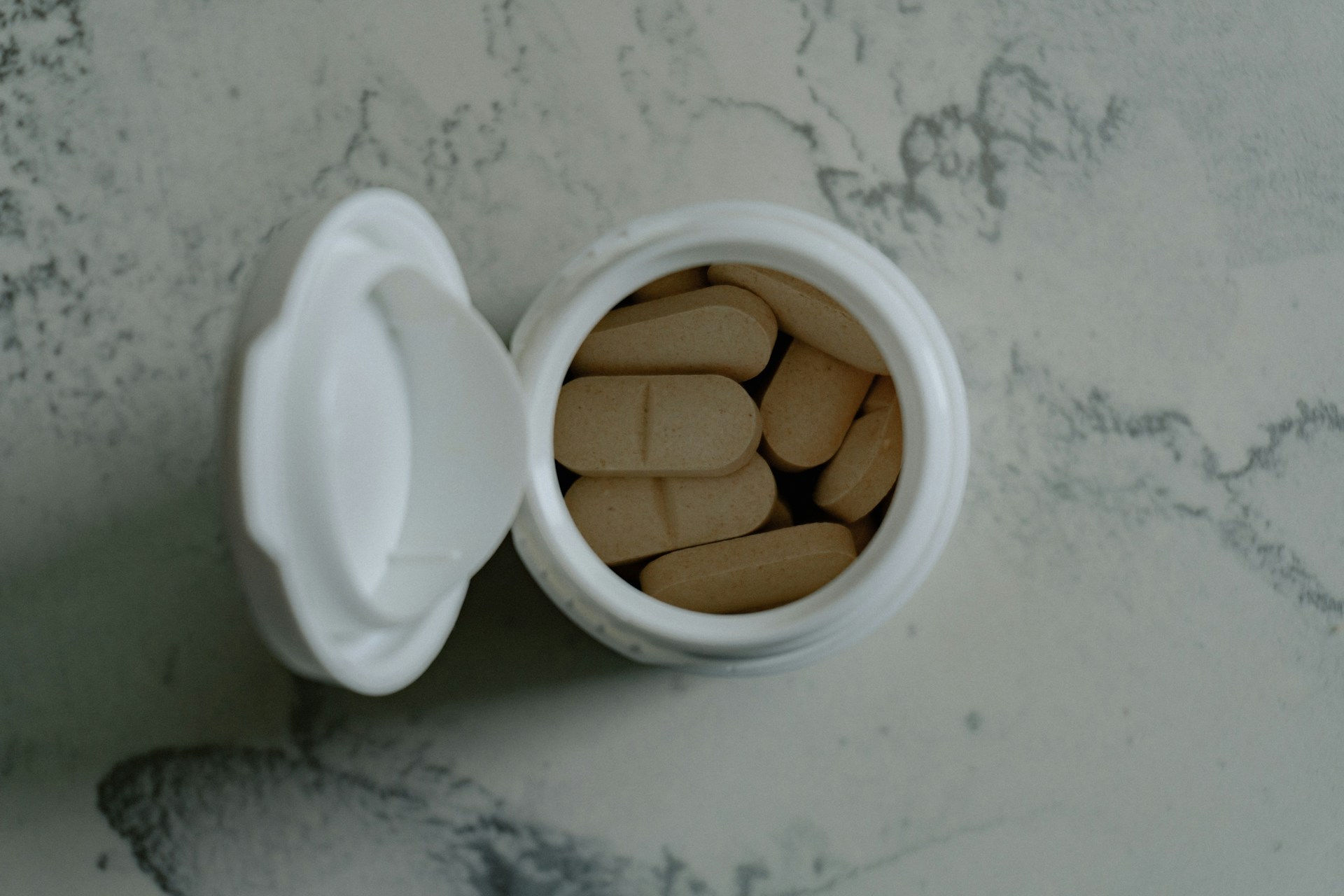
- Tablets are pressed. The process starts by blending ingredients into a powder. That powder is then compressed into a solid shape using high-pressure machines. Some tablets include binders to help hold their shape or coatings to improve the way they taste or break down. They’re ideal for simple blends with fewer flow issues.
- Capsules are filled. Instead of being pressed, powdered ingredients are inserted into a two-piece gelatin or plant-based shell. That shell is then sealed, creating a smooth, ready-to-swallow supplement. Capsules can be a better choice when powders don’t press well or if certain actives are sensitive to pressure or heat.
If a formula has a strong flavor, capsules might work better since they naturally cover taste. On the flip side, tablets use fewer materials per unit and often take up less space in bottles.
Size, Swallowability, and Usage Experience
How a supplement feels when someone takes it can affect repeat purchases. That’s why size and ease of swallowing matter just as much as the product itself.
- Capsules often feel easier to swallow because of their smoother surface. People who take daily pills sometimes prefer capsules, especially if they struggle with the dry texture of tablets.
- Tablets can vary more in shape and size. Some are chewable. Others are coated to help them go down more easily or mask flavor. But large or thick tablets may be a challenge for some people.
Flavor plays a role too. While most capsules are neutral tasting, tablets may need coatings or flavor masking, especially in children’s or chewable formulas. A little guidance during planning can help match the right format to the right customer group.
Shelf Life and Packaging Considerations
Tablets and capsules respond differently to light, air, and temperature. That can shape how you store or ship them, especially during colder months like late fall in New York.
- Tablets hold up well over time. Their solid structure makes them more resistant to humidity and temperature swings. With moisture barriers or added coatings, they stay stable longer in many environments.
- Capsules tend to be more sensitive. Gelatin-based ones in particular can react to moisture or cold if they aren’t sealed correctly. That might mean added steps during production, like using specific desiccants or tighter packaging wraps.
As holiday schedules near, keeping products stable through shipping and shelving matters even more. Planning packaging based on season and location can prevent damage during transit.
Manufacturing Flexibility and Timelines
The final weeks of the year often bring tight deadlines. That makes it important to understand how each form affects your timeline.
- Making tablets usually requires more prep when it comes to tooling and pressure settings. Batch runs may be longer, but if finalized early, they move smoothly once production starts.
- Capsules allow quicker changeovers between runs. A capsule supplement manufacturer can often start a new batch with less downtime between projects, depending on the formula and fill.
Late November and December usually fill fast with requests, and suppliers often have limited operating days. So, understanding how each format impacts lead time helps keep plans realistic, especially if you need something on shelves by early January.
Alaska Spring Pharmaceuticals specializes in private label capsules and tablets at our Westbury, New York, GMP-compliant facility, helping brands balance flexibility and production speed as seasonal deadlines approach.
When One Format Makes More Sense Than the Other
Some formulas just work better in one format than the other. For example, products with gritty or bitter ingredients are often filled into capsules, which don’t need flavor corrections. On the other hand, chewable multivitamins are often tablets because they allow added flavors and shaping.
During late fall, when packaging vendors and ingredient suppliers are running close to capacity, it’s smart to go with the format that fits your schedule. If artwork is still in review or ingredient sourcing takes longer, capsules might give you a little more space in your calendar.
Choosing the right format has a lot to do with the timing too. If you know your product needs to launch right after winter break, the route with the fewest moving parts might help you hit that window.
Choosing the Right Path for Your Next Product
Tablets and capsules each bring something useful to the table. Tablets give you more control over size and layers. Capsules are easier to swallow and often quicker to switch between projects. Picking the one that fits your needs usually depends on a mix of formula features, production time, and how you plan to package it.
Staying ahead of calendar slowdowns, especially toward the end of the year, can make the whole process smoother. When plans are built around both the product and the season, it’s easier to keep timelines strong and projects moving on schedule.
At Alaska Spring Pharmaceuticals, we know how much planning goes into deciding which supplement format fits best, especially during the colder months in New York. Whether you’re finalizing a new product or adjusting an existing one, we can help you think through timelines, ingredient needs, and how each option performs during shipping and storage. If your formula is better suited to a smoother shell and quicker production setup, our experience as a capsule supplement manufacturer can make those next steps smoother. Let’s talk through what you’re working on and figure out what fits best for your schedule and product type. Reach out to us today.