
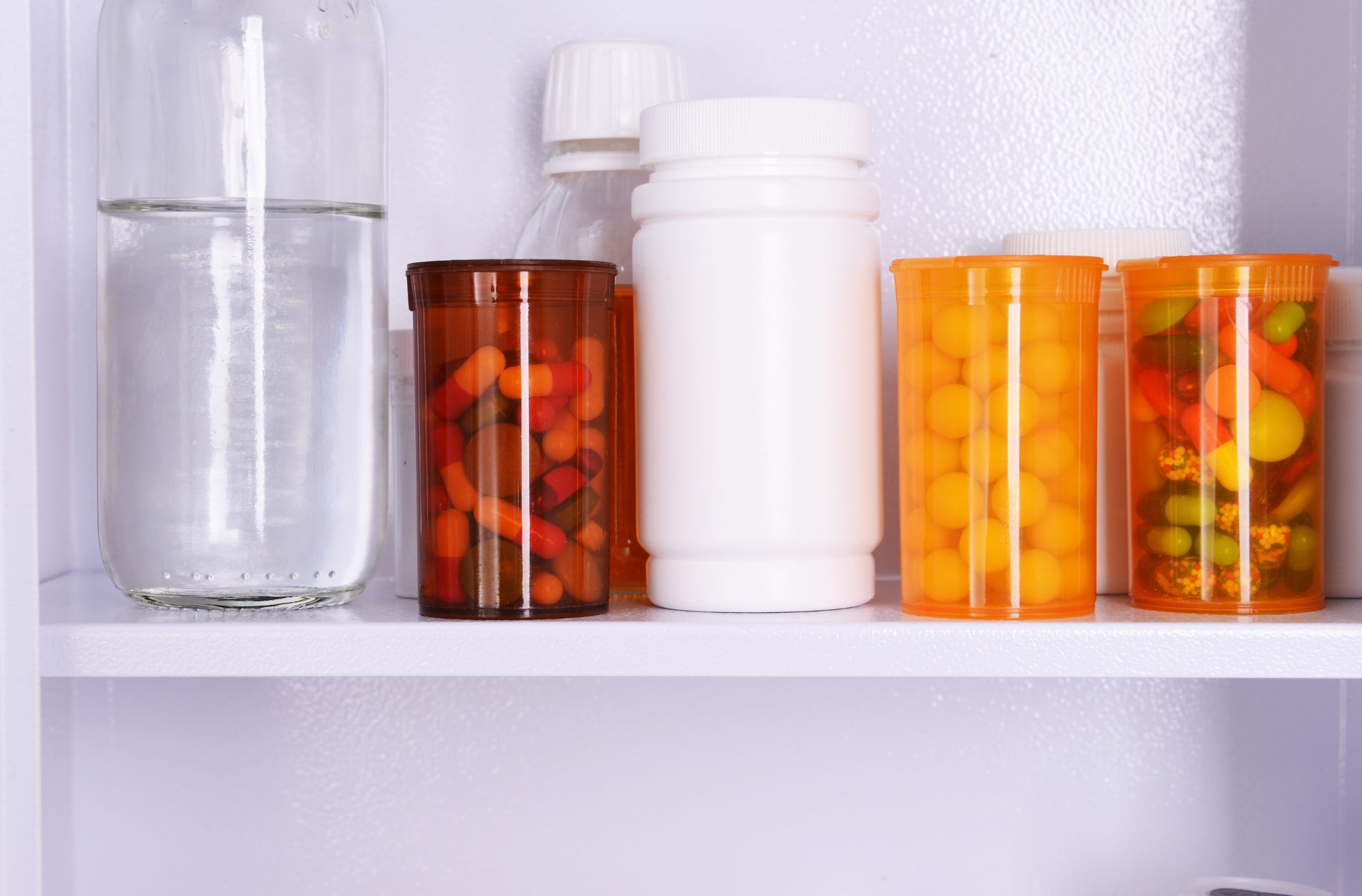
When you think about supplement products safety, you usually focus on production and ingredients. But what happens after you get the finished product? Whether you’re a business handling large inventories or someone storing supplements at home, how you store those products can make a big difference. Light, heat, air, and humidity can take a toll on supplements fast. That means if you’re not paying attention to storage details, your product’s quality might suffer long before the expiration date.
It’s not just about keeping supplements from going bad. It’s about making sure they actually work the way they’re supposed to. Pills breaking down, powders clumping, gummies melting — these might seem like small issues, but they can affect shelf life, safety, and customer trust. The good news is that with the right approach, you can avoid a lot of that. Let’s go over what proper storage looks like and how to protect the quality of your supplement products from start to finish.
Why Storage Conditions Matter For Supplement Products
Supplements don’t like surprises. Any change in temperature, exposure to air, or added moisture can throw things off. What starts off as a premium product can lose its strength or even spoil if it’s stored the wrong way. Whether you’re dealing with capsules, powders, or gummies, each one needs its own kind of care.
Light exposure can be one of the biggest problems. Some ingredients are light-sensitive, meaning their active properties break down once hit by too much direct light. That’s why many supplement containers are dark or opaque — to block out light and protect what’s inside.
Temperature is another big deal. Too much heat can cause softgels to melt or capsules to break open. On the other end, freezing temperatures can mess with texture and cause packaging to crack. Fluctuating temps can also cause condensation, which leads to moisture getting into the product.
Humidity is often overlooked but plays a huge role. Supplements can absorb water from the air, especially powders and chewables. Once that happens, you may see clumping, mold, or that strange smell you definitely don’t want near nutrition-related products.
Here are a few simple ways to avoid those problems:
– Store supplements in a temperature-controlled space. Room temperature is usually best
– Keep them away from direct sunlight. Cabinets, drawers, or closed shelves work better than leaving them near windows
– Always make sure lids are fully closed after opening
– Avoid areas with high moisture, like beside sinks or inside refrigerators (unless the label says refrigeration is needed)
– Follow any specific storage instructions listed on the packaging
Storage isn’t just about avoiding spoilage. It’s about protecting your investment and making sure your product does what it was made to do right up to the last dose.
Ideal Storage Tips Based On Supplement Products Form
Not all supplements are built the same, and how you store them should match their form. Tablets don’t need the same care that softgels do, and powders react to the environment in different ways than gummies. If you’re working with mixed product types in one facility or warehouse, you’ll want to sort out your storage methods so that each SKU gets what it needs.
Here’s a breakdown of the common supplement types and how to store them properly:
1. Tablets and Capsules
These are usually a bit more stable but still need to be kept away from light and humidity.
– Use sealed bottles that limit air exposure
– Store them in cool, dry places like cabinets or desk drawers
– Avoid glass jars on open shelves where light can get through
2. Powders
Powders are sensitive to moisture and can clump together easily
– Always close the lid tightly after use
– Avoid scooping with wet hands or utensils
– Keep in a dry area away from steam sources like dishwashers or stovetops
3. Gummies and Softgels
These are more temperature-sensitive and can melt or lose their shape if not stored properly
– Try to keep them in areas between 65-75°F
– Do not refrigerate unless specified on the label
– Avoid stacking heavy objects on top of bottles, which can squish or deform the gummies
4. Pet Chewables
These need to stay fresh to keep their smell and flavor strong for picky pets
– Use airtight containers and reseal after each use
– Store out of reach of pets in dry locations
– Avoid areas where strong odors might make them smell off or less appetizing
Managing different supplement types under the same roof doesn’t have to be a hassle if your system is organized. Separate your inventory based on storage needs. Label storage zones clearly and make sure your team understands how to handle each type. Even one poorly stored batch can lead to customer complaints or spoiled stock, both of which are easy to avoid if you set up your storage strategy with care.

Best Practices For Nutritional Supplement Packaging
Good storage starts with the right packaging. If the container can’t hold up against heat, moisture, or oxygen exposure, then even the best storage space won’t help much. Packaging acts as the first line of defense against the environment your supplements live in, so it needs to be durable, protective, and practical.
One of the most common problems is air getting into the container. Oxygen can spoil ingredients over time, especially vitamins and softgels. That’s why choosing packaging with tight seals is key. Screw-top lids with heat seals or tamper-resistant bands add extra protection and stop air from sneaking in after the bottle is opened.
Opaque bottles also do more than provide a clean look. They help block light. Since light-sensitive ingredients break down quickly when exposed to sunlight, containers that filter or block UV rays give those products a better shot at staying effective for longer. That’s why supplements like fish oil or probiotics often come in amber-colored bottles or thick plastic jars.
Here are a few packaging pointers that help maintain freshness:
– Use containers made from high-barrier materials like HDPE or PET plastic
– Choose resealable pouches or jars, especially for powders and chewable tablets
– Add foil liners or oxygen-absorbing packets for extra protection
– Label packages clearly with storage instructions and expiration dates
– Avoid oversized packaging, which leaves extra room for air exposure
Think of packaging like a toolbox. It holds what’s needed and shields it from outside damage. Pick tools that match the job and everything runs smoother whether you’re shipping a pallet, shelving bottles in a store, or restocking your kitchen cabinet at home.
Practical Tips For Home Storage
When it comes to storing supplements at home, less is more. Avoid moving them around or keeping them in spots that constantly change temperature or humidity levels. The cabinet you use for mugs, spices, or dry goods is likely a better choice than your bathroom medicine cabinet.
Although it may seem convenient, storing supplements on your kitchen counter or by the window can shorten their lifespan. Sunlight and heat from appliances can weaken or break down certain ingredients. Instead, pick a cabinet that’s cool, dark, and stays dry year-round.
Here’s where to store and where to avoid:
– Store in: pantry shelves, hallway cabinets, bedroom dressers, or bedside tables
– Avoid: bathrooms, window ledges, near stoves or ovens, and inside fridges (unless required)
To make home storage more organized, consider grouping supplements by type or use. Stackable bins or labeled containers can help you keep track of what you have. Rotational storage, where newer items go to the back, makes sure older products get used before they expire.
Let’s say you have a powdered protein supplement, multivitamin tablets, and gummy sleep aids. A small labeled tote stored on the top shelf of a kitchen pantry keeps them out of reach of kids, away from heat, and easy to grab when needed. Keep silica packets or moisture absorbers inside the container if included, and always screw bottles on tight between uses.
Avoid repackaging supplement products into unmarked containers. If the original pack has info about proper temperatures or if it’s light protective, putting your supplements in clear jars or zip bags might do more harm than good. Stick with the original packaging unless you’ve confirmed the replacement is equally secure.
Keep Your Supplement Products Safe And Effective
Supplement Products are meant to support health, but they can only do that if stored the right way. Keeping them where temperatures stay steady, light is limited, and moisture can’t sneak in makes all the difference. Whether you’re managing inventory for distribution or organizing a home medicine shelf, smart storage protects both the product and the people who rely on it.
Over time, even small changes like switching to resealable packets or moving bottles away from the stove can improve quality and cut down on spoiled or wasted batches. Add in a little routine like checking seals, watching expiration dates, and separating supplement types, and you build a strong habit that benefits everyone involved. Keeping an eye on storage now means fewer problems later.
Looking to extend your product’s shelf life and protect its integrity with smart packaging choices? Alaska Spring Pharmaceuticals offers tailored solutions designed to keep your supplements fresh and effective. Learn how our approach to nutritional supplement packaging can support your brand’s quality from production to delivery.