Herbal supplements are nothing new. People have turned to plants for their natural benefits for generations. But when these go from home remedies to store shelves, a lot more care has to be taken. Herbs aren’t simple to handle in a manufacturing setting. They react differently than synthetic ingredients or isolated vitamins. That’s where specialized manufacturing comes into play. It helps maintain the purity, consistency, and strength of herbal formulas from batch to batch.
What makes herbal supplements special is exactly what makes them tricky. They’re built from complex plant compounds that can be affected by things like temperature, moisture, and exposure to air. One small change in handling can make a big difference in how a product feels, smells, tastes, or works. That’s why it matters who’s making them and how. Getting that part right isn’t just helpful. It’s the foundation for offering something safe and reliable.
Understanding The Unique Properties Of Herbal Supplements
Herbal supplements stand apart because they come straight from nature. They’re made using roots, leaves, seeds, or flowers. This natural source gives them their appeal, but it also makes them more sensitive than other types of supplements. Each plant contains a mix of compounds that can vary from harvest to harvest. That means getting a consistent product takes more attention and care than most people realize.
Unlike synthetic supplements, which are often made in a lab with fixed ingredients, herbs can behave differently based on things like:
1. Where and how they’re grown
2. The time of year they’re harvested
3. How they’re stored before processing
These differences affect things like color, strength, and smell. That’s not ideal for businesses trying to build consistent products. Even something as common as peppermint or turmeric can vary. One batch may taste and smell strong, while another might seem flat. These subtle changes can throw off product expectations.
To manage this, manufacturers working with herbs need to approach things carefully. It’s not as simple as grinding and bottling. They need to test for things like pesticide residue, microbial growth, and the exact concentration of active ingredients. That helps ensure each dose really delivers what the label says.
There’s also the issue of how herbs interact with the rest of the formula. Some just don’t mix well with high heat. Others break down fast in open air or light. Without proper handling, the natural benefits they’re known for can disappear before the product even ships out.
Importance Of Quality Control In Herbal Supplement Manufacturing
When dealing with plant-based ingredients, quality control can’t be an afterthought. The natural side of herbal supplements makes them both valuable and unpredictable. That’s why reliable manufacturing needs to include strict checkpoints along the way.
Good quality control isn’t just a final check before a product gets boxed up. It’s a system that watches over every step. That includes:
1. Ingredient screening: Raw herbs are tested when they arrive to confirm identity, make sure they’re clean, and verify their active compounds
2. Batch standardization: Manufacturers measure and match the herb’s strength across batches using lab equipment. This keeps the formula consistent
3. Microbial testing: Herbs can carry bacteria, mold, or yeast if they’re not handled right. Regular testing helps catch any contamination early
4. Moisture and temperature checks: Herbs that stay too moist or too hot can spoil fast. Climate-controlled storage and drying make a big difference
5. Finished product testing: Before anything is shipped, final testing ensures the supplement meets safety rules and label claims
All of these steps help protect the customer, build trust, and reduce costly recalls. Quality checks matter even more for herbal formulas since they usually have active ingredients in lower levels than synthetic pills. Losing part of that power during processing can weaken the product without anyone noticing unless you’re testing for it.
It’s like baking with fresh spices. If your cinnamon is weak, your cake will taste off. Now imagine that problem in a capsule designed to help with stress or digestion. That’s exactly why herbal supplement makers have to lock in their processes and inspect along the way. Quality control isn’t just about meeting rules. It’s about safeguarding the customer’s health and the company’s reputation with every batch.

Advanced Techniques Used In Herbal Supplement Manufacturing
To craft effective herbal supplements, manufacturers must use specialized techniques. These techniques help preserve the natural benefits of herbs from start to finish. Extraction methods play a big role here. Cold extraction, for example, uses lower temperatures to draw out essential compounds without causing damage. This helps maintain the herb’s natural properties, unlike high-heat methods that can degrade them.
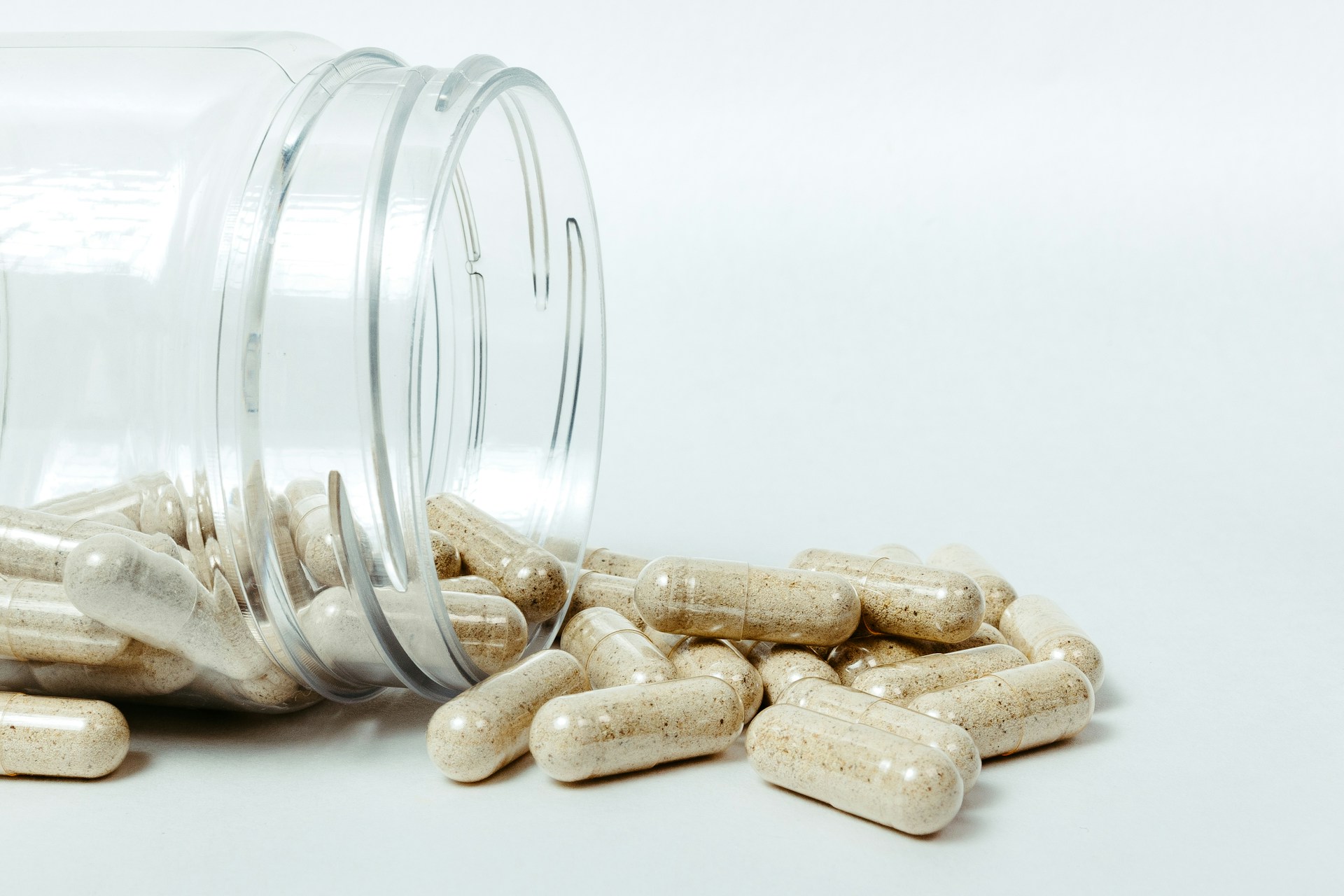
Another key approach is encapsulation. This involves enclosing the herbal extract in a capsule to protect it from light, air, and moisture. Softgels are a popular choice for their ability to seal in the contents tightly, which helps improve shelf life and absorption in the body. Then there’s freeze-drying, a preservation strategy that removes moisture while keeping the structure of the herb intact. It works well for herbs that are sensitive to heat or humidity.
These techniques don’t just make the supplements look better. They help make sure the product actually delivers what it’s supposed to. Consistent, safe, and effective supplements come from using the right methods at each stage. Experienced manufacturers take the time to choose these techniques based on the herb, the formula, and the product’s final use.
Regulatory Considerations For Herbal Supplements
Making supplements in the United States means staying on top of the rules. Herbal supplements fall under the guidelines of the FDA, which focuses on safety and accuracy in labeling. Keeping products compliant helps avoid trouble and builds trust with both retailers and customers.
One of the biggest steps in compliance is following Good Manufacturing Practices, or GMP. These practices help keep the production process clean, consistent, and well-documented. That includes checking equipment, monitoring staff training, and verifying that the plant materials are what they’re supposed to be.
Certifications can take this even further. Things like USDA Organic or Non-GMO Project Verified labels appeal to customers looking for clean, transparent options. Achieving those certifications shows that a business takes extra steps to ensure product quality.
Getting these details right helps supplement brands stand out. It’s not just about staying out of trouble. It’s about assuring customers that what they’re taking is backed by care and transparency. An experienced manufacturer knows how to keep everything above board while delivering products consumers can count on.

Why Partnering With A Professional Herbal Supplement Manufacturer Matters
Working with a professional herbal supplement manufacturer can make or break how your product performs on the shelf and with buyers. These manufacturers have deeper insight into handling herbs, applying techniques that keep formulas strong and stable, and making sure quality controls are in place from start to finish.
The benefit isn’t just technical skill. It’s also about having systems in place that protect product integrity. Manufacturers like Alaska Spring Pharmaceuticals have the ability to test raw materials, manage batches, and monitor processes to hold every product to a high standard. That keeps brands confident and customers satisfied.
A partner who knows what they’re doing can help speed up production timelines, flag issues before they become problems, and adjust to market needs quickly. It takes the pressure off business owners and lets them focus more on branding, sales, and growing their customer base.
A Tailored Approach To Herbal Supplement Manufacturing
Herbal supplements bring their own set of challenges, but they also offer great benefits when made the right way. That means having the right systems, knowledge, and tools in place from the very beginning. Herbal products can’t be treated like every other supplement. What works for synthetic pills may not cut it for a root or flower extract.
This is where a trusted manufacturing partner comes in. They know how to work with the ingredients nature has given us and bring them to customers in a format that’s clean, stable, and effective. With experience and precision, they help bring out the full potential of every herb that goes into a formula. When your manufacturer is dedicated to doing things right, your brand earns customer trust with every bottle.
Choosing the right herbal supplement manufacturer can set your business apart in a crowded market. Whether it’s advanced techniques or keen regulatory compliance, professionals ensure your products meet high standards. Trust the expertise of Alaska Spring Pharmaceuticals to elevate your supplement line. Learn how working with a skilled herbal supplement manufacturer can help deliver quality, consistency, and reliability every step of the way.