
Personalized nutrition is one of the most significant trends in the dietary supplements industry. As consumers become increasingly health-conscious, they are seeking products tailored to their specific needs. Contract manufacturers are stepping up to meet this demand by offering contract manufacturing dietary Supplements of customizable supplement formulations. This approach not only caters to individual health needs but also empowers consumers to take control of their health in a more informed and targeted manner.
1. The Role of Technology for Contract Manufacturing Dietary Supplements
Advancements in technology are enabling manufacturers to produce supplements that align with individual health profiles. DNA testing and health monitoring devices provide data that manufacturers can use to develop personalized supplements. This trend is expected to gain momentum as consumers look for products that cater to their unique genetic makeup and lifestyle. Beyond DNA, wearable technology and health apps are providing real-time data, allowing for ongoing customization and adjustment of supplement regimens, ensuring they remain effective as health conditions and needs change over time.

2. Increasing Focus on Sustainability for Contract Manufacturing Dietary Supplements
Sustainability is no longer just a buzzword; it’s a crucial aspect of Contract Manufacturing Dietary Supplements. Consumers are more environmentally conscious than ever, and they expect the brands they support to reflect these values. Contract manufacturers are responding by adopting sustainable practices. This shift is not only about reducing environmental impact but also about aligning with consumer values, which can significantly influence purchasing decisions and brand loyalty.
Eco-Friendly Packaging of Dietary Supplements contract manufacturing
One of the most noticeable shifts is in packaging. Manufacturers are transitioning to eco-friendly options such as biodegradable containers and recyclable materials. This not only reduces the environmental impact but also appeals to eco-conscious consumers. Additionally, innovative packaging designs, such as refillable containers and compostable pouches, are emerging, offering consumers convenient and sustainable options that further reduce the carbon footprint associated with packaging waste.
Sustainable Sourcing
In addition to packaging, there’s a growing emphasis on sustainable sourcing of ingredients. Manufacturers are prioritizing suppliers who practice ethical and sustainable farming. This trend ensures that the ingredients used in Contract Manufacturing Dietary Supplements are not only high-quality but also sourced responsibly. Furthermore, manufacturers are increasingly transparent about their supply chains, providing consumers with information on the origin of ingredients and the environmental and social practices of their suppliers, which fosters greater trust and brand loyalty.

3. The Rise of Clean Label Supplements
Clean label supplements, which are free from artificial additives and preservatives, are gaining popularity. Consumers are increasingly scrutinizing the ingredients in their supplements, seeking transparency and simplicity. This trend reflects a broader movement towards natural health and wellness products, where consumers want to understand and trust what they are putting into their bodies.
Transparency and Trust
Contract manufacturers are focusing on transparency, providing detailed information about the sourcing and processing of ingredients. This builds trust with consumers who are wary of hidden chemicals and synthetic additives. In addition, brands are utilizing digital tools like QR codes and blockchain technology to offer consumers easy access to detailed product information, from ingredient sourcing to manufacturing processes, thereby enhancing the transparency and traceability of their products.
Minimalist Formulations
Manufacturers are also adopting minimalist formulations that use fewer ingredients. This aligns with consumer demand for products that are as close to their natural state as possible. By minimizing ingredients, manufacturers can reduce the risk of allergic reactions and side effects, making their products safer and more appealing to a broader audience. Moreover, minimalist formulations often result in cleaner, more efficient production processes, which can reduce costs and environmental impact.
4. Technological Integration in Contract Manufacturing Dietary Supplements
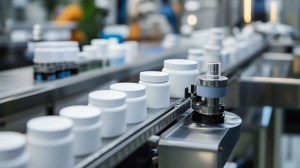
The integration of advanced technology in manufacturing processes is transforming the Contract Manufacturing Dietary Supplements industry. Contract manufacturers are leveraging innovations such as automation and artificial intelligence to enhance production efficiency and quality control. This technological integration is not just about improving existing processes but also about enabling entirely new capabilities that can redefine the industry.
Automation and Efficiency in Contract Manufacturing of Dietary Supplements
Automation streamlines production, reducing the potential for human error and increasing efficiency. This allows manufacturers to meet growing demand without compromising on quality. Automated processes also enable greater precision in dosing and ingredient mixing, ensuring consistent product quality. Furthermore, the use of robotics in manufacturing can lead to significant reductions in labor costs and production times, allowing companies to scale operations swiftly in response to market demands.
AI and Quality Control in Contract Manufacturing Dietary Supplements
Artificial intelligence is being used to monitor and control quality throughout the manufacturing process. AI systems can detect anomalies and ensure that products meet stringent quality standards. This trend is crucial for maintaining consumer trust and meeting regulatory requirements. In addition, AI-driven analytics can predict maintenance needs and optimize production schedules, further enhancing operational efficiency and minimizing downtime.

5. Regulatory Compliance and Innovation for Contract Manufacturing Dietary Supplements
The Contract Manufacturing Dietary Supplements industry is subject to strict regulations, which vary by region. Contract manufacturers are innovating to ensure compliance while still delivering cutting-edge products. Staying ahead in regulatory compliance is not only about avoiding penalties but also about gaining a competitive advantage by entering new markets confidently and quickly.
Navigating Global Regulations
Manufacturers are investing in regulatory expertise to navigate the complex landscape of global regulations. This ensures that their products meet all legal requirements, allowing them to enter new markets with confidence. By leveraging digital tools and expert partnerships, companies can streamline their regulatory processes, reducing time to market and maintaining compliance in a rapidly changing regulatory environment.
Innovation in Compliance
Innovation is not limited to product formulations; it extends to compliance strategies as well. Manufacturers are developing new methods to ensure that their products are safe, effective, and compliant with all relevant regulations. This includes using advanced analytics to monitor compliance in real time and implementing blockchain technology to ensure transparency and traceability in supply chains, which can simplify audits and regulatory checks.
Conclusion: Embracing the Future of Supplements for Contract Manufacturing Dietary Supplements
The dietary supplement industry is on the cusp of significant change, driven by consumer demand for personalized, sustainable, and transparent products. Contract manufacturers are at the forefront of these trends, leveraging technology and innovation to meet evolving consumer expectations. As the industry moves towards 2025, the focus will be on creating products that not only meet health needs but also align with consumer values and lifestyles.
As we move towards 2025, manufacturers, retailers, and consumers alike should prepare for a landscape that prioritizes individuality, sustainability, and quality. By staying ahead of these trends, stakeholders in the Contract Manufacturing Dietary Supplements industry can ensure their continued growth and success in a rapidly changing market. Embracing these changes will not only benefit individual companies but also contribute to a healthier, more sustainable global community.